LINEWISE Get in touch
The Road Industry Software · New Zealand

The road industry software that does the gathering for you.

Linewise is simple, easy-to-use software for line-marking trucks. It records the job as you paint, so operators spend less time with a pen and managers spend more time on site.

START TO FINISH · One practice job on the Linewise system. No sound.
The software

Paint the line. The computer does the rest.

A rugged tablet in the cab runs the Linewise system. It was designed by someone who has done the job, so there is nothing to learn that a crew can't pick up in a shift.

01

It does the gathering

Every line is recorded as it goes down: which road, where it starts and stops, the pattern, the colour, the width and the length. Nobody writes it down, and nobody measures it afterwards.

02

Less pen time for operators

One tap picks the line type. At the end of the shift the job sheet and the spreadsheet are already filled in. The crew paints, and goes home on time.

03

Managers get out on site

The day's work arrives finished and readable, so there is no chasing paperwork or re-typing notes. That is time back for visiting crews and looking at the work.

A job from start to finish

One practice job, start to finish, with no sound. Every screen is the real software running, and the job sheet and spreadsheet are the ones that run produced.

  1. Open the job and press StartNo setting out and nothing to draw. The crew just paints.
  2. PaintEvery metre is recorded as it goes down: the road, the position, the pattern, the colour and the width.
  3. The lines stayWhat was painted stays on the map as data.
  4. The job sheet fills itself inMetres and litres for each line, from the truck.
  5. The spreadsheet is readyThe same numbers as a file for the office.

Working today · practice runs on the tablet

Being built next

  • Guide lines that clear themselvesEach guide line comes off the map as it is painted.
  • PDF job sheetThe job sheet as a signed-off PDF. See the layout.
  • Extras that find their own spotA late request goes onto the map at the exact place, instead of into someone's memory.
  • "Did you do this job?"When the truck has been at that spot, the computer asks the operator.
Our products

Guns and parts we design and make

Designed in Palmerston North from years on the trucks. Tougher where the originals fail, simple to fit, and made here in New Zealand.

Bruv Pods: automatic airless guns

A Bruv Pod is an automatic airless gun in its own sealed pod, ready to bolt onto a truck.

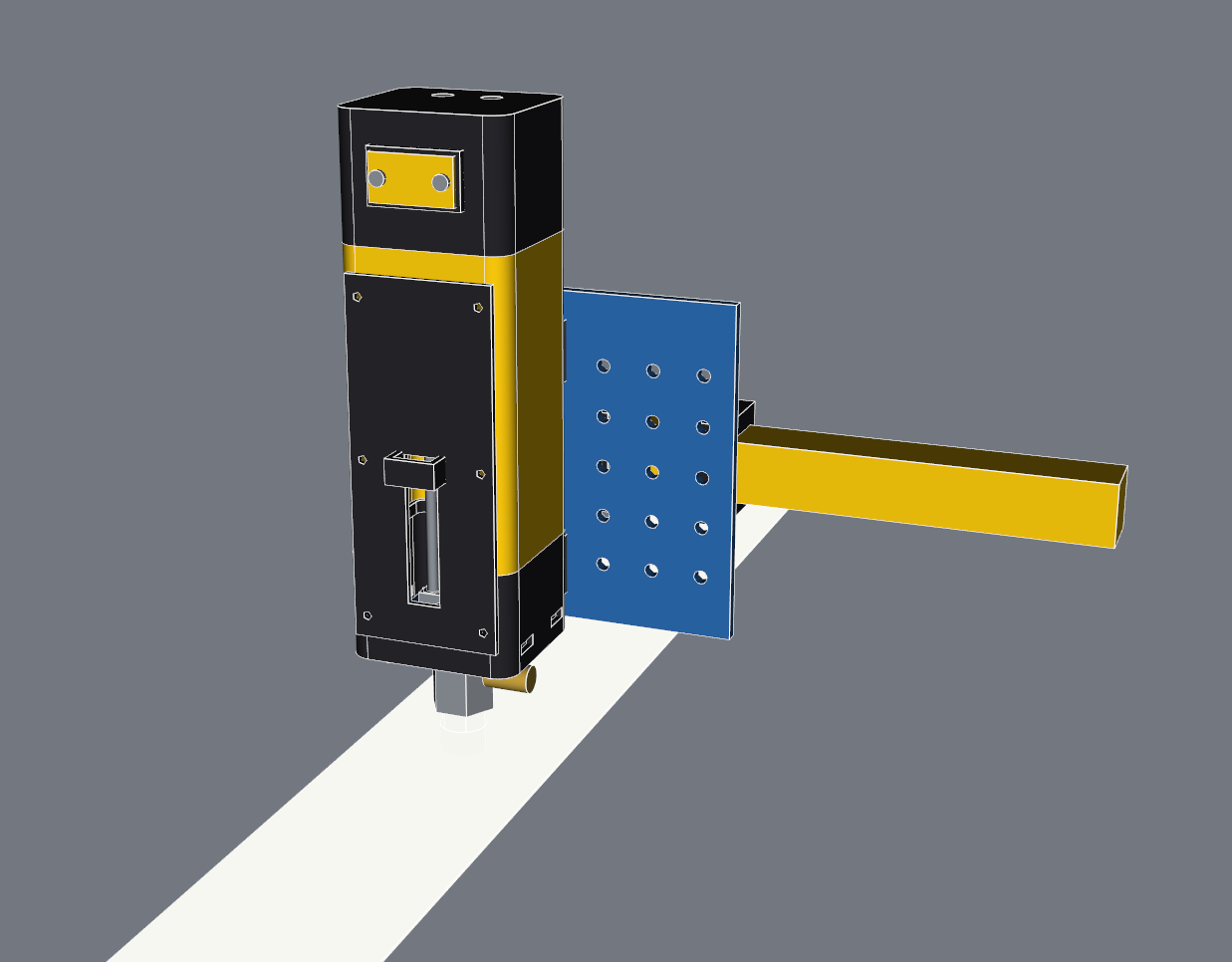
Bruv Pod Single: one automatic airless gun in its sealed pod, with the upgrade mount on the top cap
Paint · one gun

Bruv Pod Single

One automatic airless gun in a sealed pod, for trucks that paint the same colour all day. Or for crews who love changing colour by hand and spraying the grass. A front door gives quick access, and drain slots show a leak before it becomes a problem.

  • Air opens the gun; a spring shuts it if the air is lost
  • Mounts to square tube, round bar or a flat foot
  • Upgrade mount fitted: a camera or line scanner bolts on later
Launching soon
NZ$699launch price, incl. GST
  • High-pressure rebuild kit NZ$129
Register interest
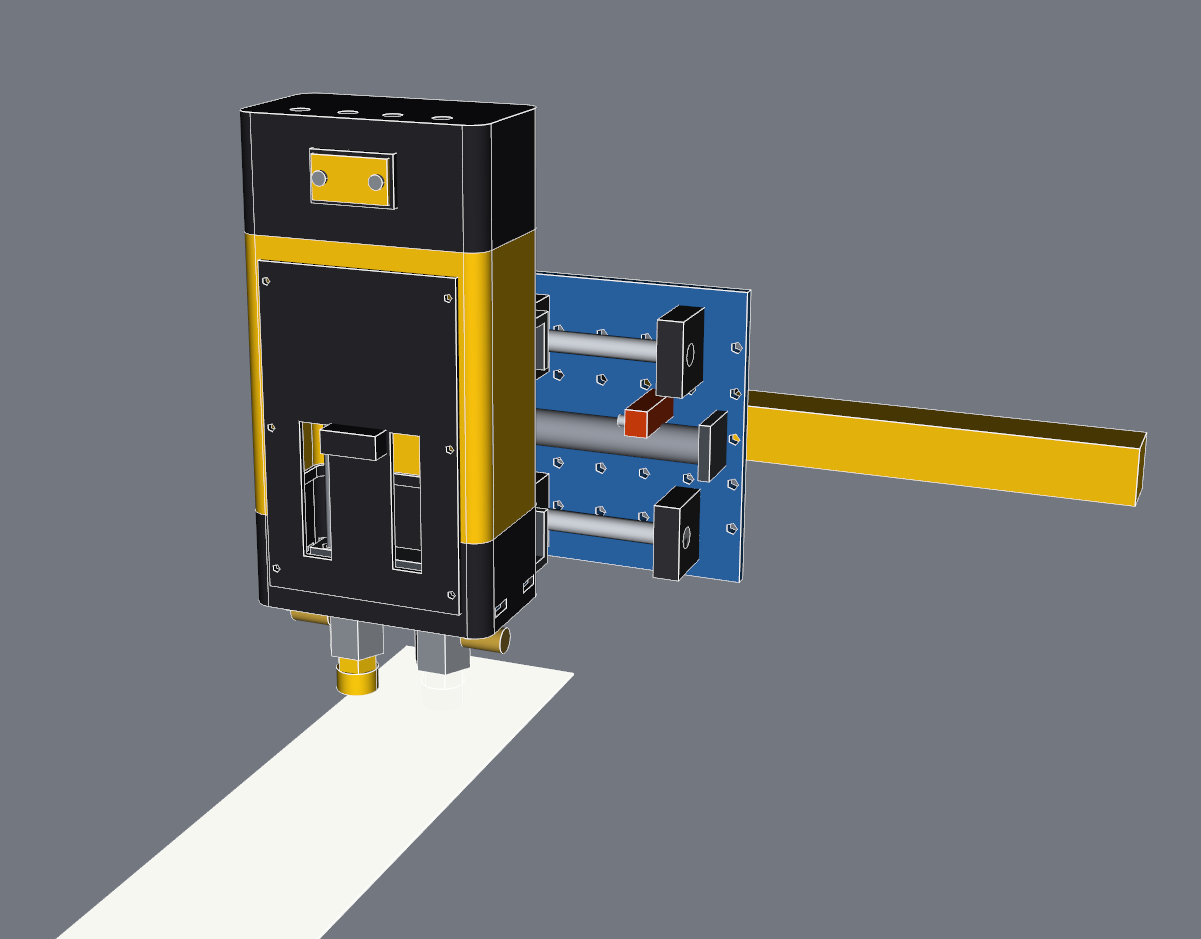
Bruv Pod Dual: yellow and white automatic airless guns in one pod, at the left end of its sliding mount
Paint · two guns

Bruv Pod Dual

Two automatic airless guns, yellow and white, in one pod, painting one line type at a time. Switch colour from the cab and the pod slides 50 mm across by itself, so the gun in use is back in line with the driver's front pointer. Nobody gets out, and no paint is dumped on the road.

  • Colour change from the cab, in seconds
  • Air-powered slide on 2 × 12 mm guide rods
  • Air opens each gun; a spring shuts it if the air is lost
  • Upgrade mount fitted: a camera or line scanner bolts on later
Launching soon
NZ$1,899launch price, incl. GST
  • High-pressure rebuild kit NZ$129 per gun
  • Slider service kit NZ$39
Register interest

Replacement parts

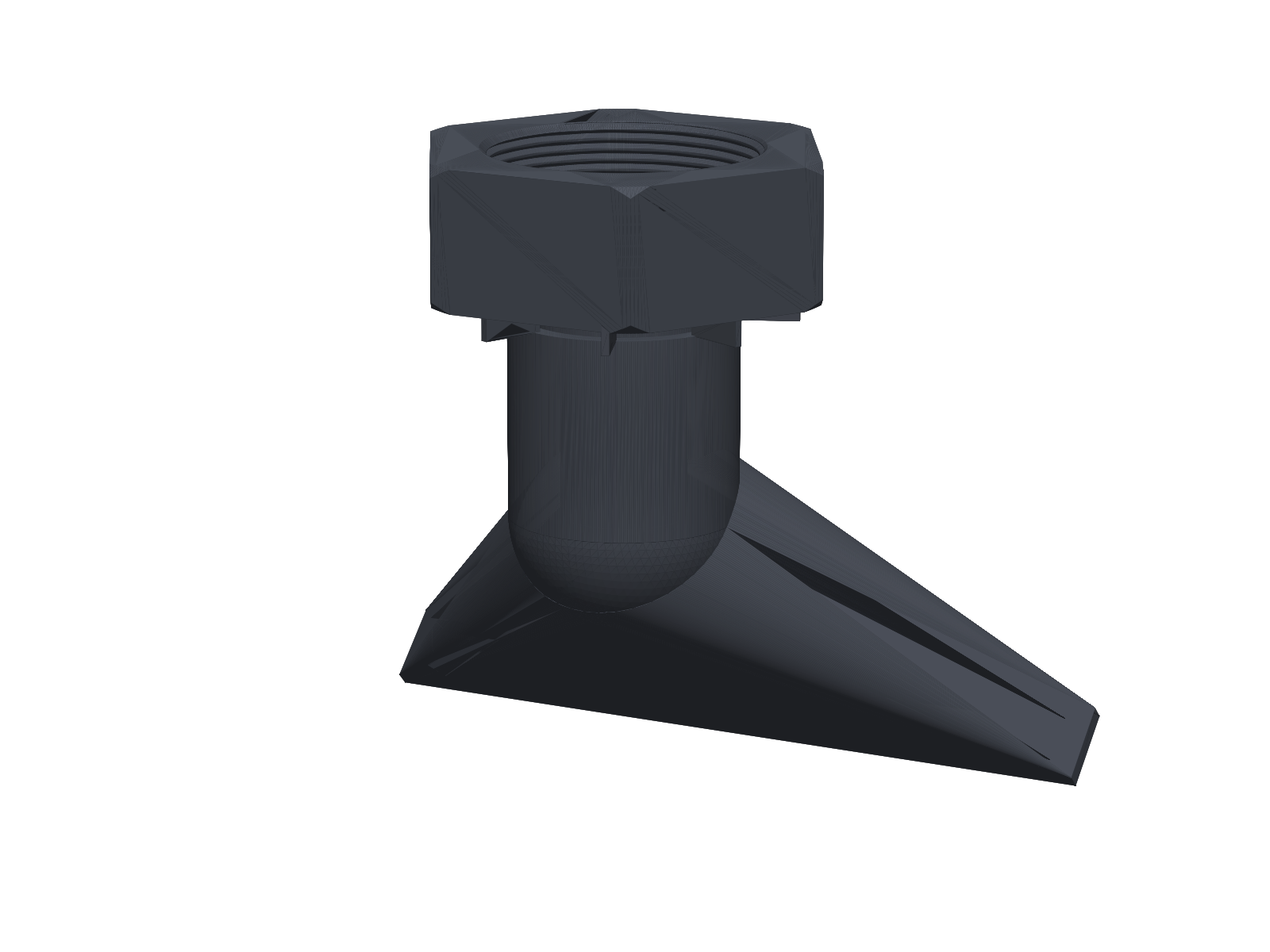
Linewise bead fan: one-piece glass bead spreader with a captive hex nut and a 45 degree blade
Glass beads

Bead fan

A replacement bead spreader for Graco-pattern bead guns. One piece with its own captive nut, so there's no brass collar or circlip to lose. Tighten it with a spanner and it stays where you aim it.

  • Fits 1-5/16"-20 bead gun housings
  • 5/16" (7.9 mm) slot, 89 mm wide, 45° blade
  • 46 mm hex nut, swivels to aim
  • Uses the standard seat inserts
Tested on the truck
NZ$49.99incl. GST and shipping within NZ
Order or ask
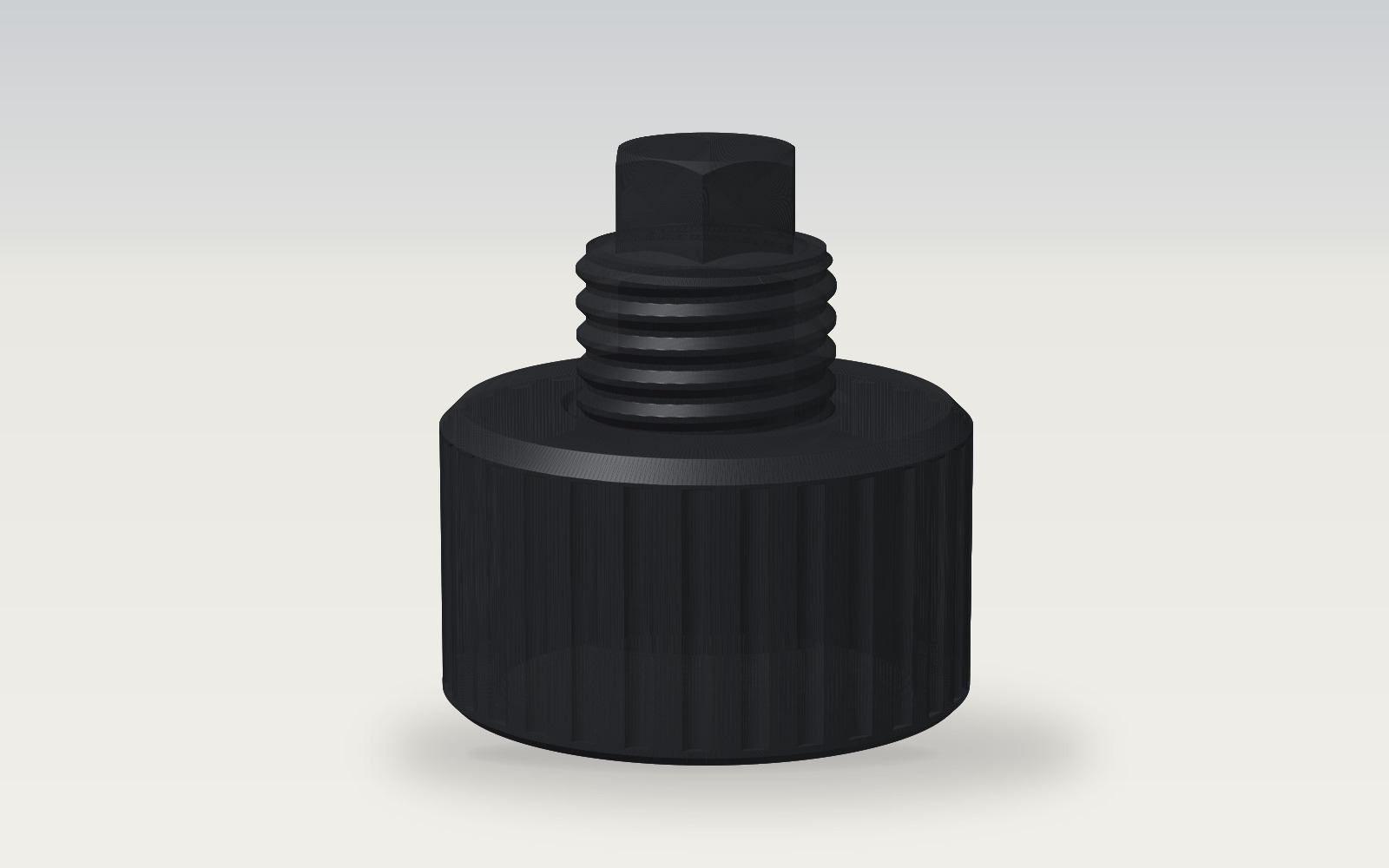
Linewise gun cap and adjusting screw in black
Paint and bead guns

Gun cap and adjusting screw

The standard version of our replacement cap and adjusting screw for single-acting automatic paint and bead guns. Pick your colour.

Colour: Black
  • Fits 2"-20 gun body thread
  • 21 mm spanner hex, no pin to break
  • Black, red or white
  • Shown as a 3D drawing
Tested on the gun
NZ$49.99incl. GST and shipping within NZ
Order or ask
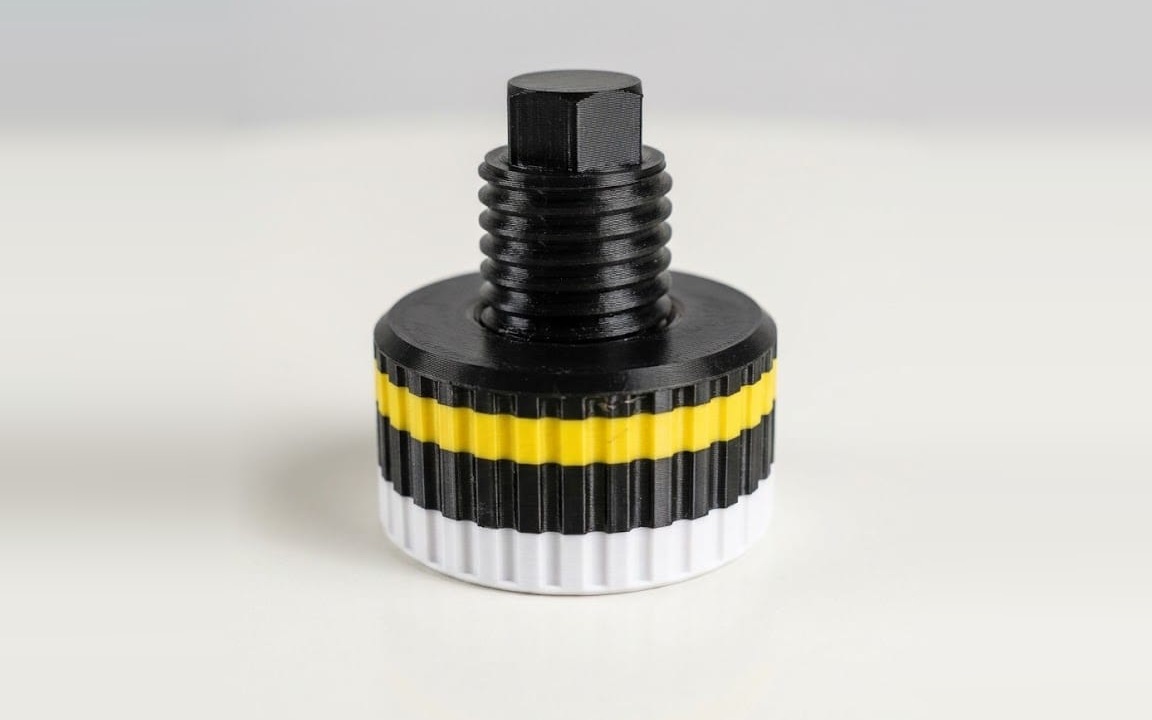
Linewise replacement gun cap and adjusting screw, printed in black with a yellow band
Paint and bead guns

Gun cap and adjusting screw Entry edition · 4 only

A replacement cap and adjusting screw for single-acting automatic paint and bead guns. The pin that snaps on the original is gone: a 21 mm hex takes a spanner instead, and a rubber washer seats the spring.

  • Fits 2"-20 gun body thread
  • 21 mm spanner hex, no pin to break
  • Thick walls and a deep, strong thread
  • Entry edition: only 4 made in these colours
  • These colours will never be printed again
Tested on the gun
NZ$49.99incl. GST and shipping within NZ
Order or ask
Free with every order

BruvSheet, yours for life

Every Linewise customer gets BruvSheet, our own spreadsheet app for Windows and Android. It opens Excel files (xlsx and xls), ods and csv, so job sheets and reports open on the truck tablet or the office PC. We email your copy with your order.

Graco is a trademark of Graco Inc. Linewise parts are independent replacements and are not made or endorsed by Graco.

The vision

Clear line-marking data, countrywide.

Most of what is painted on New Zealand roads is still recorded by hand, at the end of a long shift. Linewise exists to change that. Our goal is that every line put down in this country is recorded properly as it is painted, by every contractor, whatever the size of their fleet.

It starts with keeping trucks working. No crew can record a job from a truck that is parked up waiting for parts.

Supply

Parts when you need them

No contractor should wait weeks for an imported repair kit, or pay hundreds of dollars for a part that will fail the same way again. Linewise designs and makes its parts in New Zealand: fairly priced, and built tougher where the originals break.

Clarity

One accurate record

When the record is right, everyone works from the same facts. Contractors quote from real quantities instead of estimates. Road owners, from NZTA to local councils, can see what is on their network and when it was last marked.

Safety

Fewer risks for crews

A crew that paints from the cab spends less time on foot beside live traffic. A truck that writes its own job sheet means nobody ends a long shift filling in forms. Fewer stops, less fatigue, fewer chances for something to go wrong.

Pride

An industry to be proud of

Road marking is skilled work and it deserves modern tools. An organised, well-equipped industry attracts good people and keeps them. We want every crew to be proud of how the job is run, as well as how the line looks.

Open to every contractor

This only works if everyone can take part. So Linewise starts small: a simple recorder for a single truck, through to full automation for a fleet. An operator with one truck should be able to record their work as well as one with fifty.

Bigger than line marking

A reliable record of what is on the road is useful well beyond the paint crew. The same data can support maintenance planning, asset management, traffic management and road safety work across the wider road industry.

How we get there

Pneumatics, hydraulics and GPS already automate work in industries all over the world. We are bringing that to road marking one practical step at a time. Every step is useful on a working truck before the next one starts.

  1. 01

    Start simple: record what goes down

    A low-cost trigger logger for any truck, walk-behind machine or B-type trolley, linked to an app. It records every trigger pull, the metres painted and a GPS position: how many car park lines, how many arrows, and where. The smallest operator has a proper record from day one.

    Planned
  2. 02

    Bruv Pod Single

    One automatic gun in a sealed pod, for the trucks that paint white centre line all year round. Simple, tough and easy to service.

    Launching soon at NZ$699 · High-pressure rebuild kits NZ$129

    Launching soon
  3. 03

    Bruv Pod Dual

    Yellow and white in one pod. Change colour from the cab: the pod slides 50 mm across and you carry on. Nobody gets out, and no paint is dumped on the road.

    Launching soon at NZ$1,899 · High-pressure rebuild kits NZ$129 per gun · Slider service kits NZ$39

    Launching soon
  4. 04

    Pods that check their own line

    A scanner bolts onto the mount every Bruv Pod already has. It reads the width of the new line, works out the film thickness, and alerts the driver the moment it drifts.

    Prototype
  5. 05

    Yellow and white at the same time

    Common in America, not done here. Both colours go down in one pass, held in line by the machine instead of by eye.

    In design
  6. 06

    Planned in the office, painted by GPS

    Sit down with the crew, enter where the job starts and what goes down: say, five advance warnings in yellow with a white dash beside them. The truck paints it.

    The goal

The Linewise truck computer, which already logs every metre, is the brain behind each step.

About

Luke Taylor, founder

I worked in road marking and thermoplastic at Higgins for 8 years, about five of them as a supervisor. I looked after projects such as Transmission Gully, Mackays to Peka Peka (M2PP) and Peka Peka to Ōtaki (PP2Ō), and assisted with the mechanics, project management and tenders along the way.

Technology has always been my other passion. I was writing code at 14 on Windows 3.1, but sitting at a computer all day didn't suit me. Road marking gave me the hands-on work. Now I get to put the two together.

All over the world, industries of every kind run on automation: pneumatics, hydraulics and GPS. I want to bring that to road marking.

So I've left Higgins to push as hard as I can at building something of my own: work I'm interested in and excited about. I've built programs that I believe can really work, and I need support from others in the industry to get them off the ground.

I get the job done, then I make it better. Linewise is based in Palmerston North.

Road marking8 years · 5 as supervisor · paint and thermoplastic
MechanicsKeeping trucks and plant running
Project managementRunning the work start to finish
TendersTake-offs, estimating and pricing
SoftwareAndroid, web, mapping, data
Design and makingCAD, 3D printing, prototyping
The data

Months of road data, joined into one picture

Everything Linewise builds sits on a detailed picture of New Zealand's roads. It took months to put together.

01

Collected

Road reference points gathered one at a time from Mobile Road, which is public data. Then more open datasets found through research: LINZ, NZTA, speed limits and others.

02

Joined

On their own, those datasets don't talk to each other. I built the way for them to work together, so any spot on the network can be named, measured and looked up.

03

Working

RPcam is the working example. Take a photo anywhere and it prints the road, RM, council and speed limit for that spot onto it.

Working example · RPcam
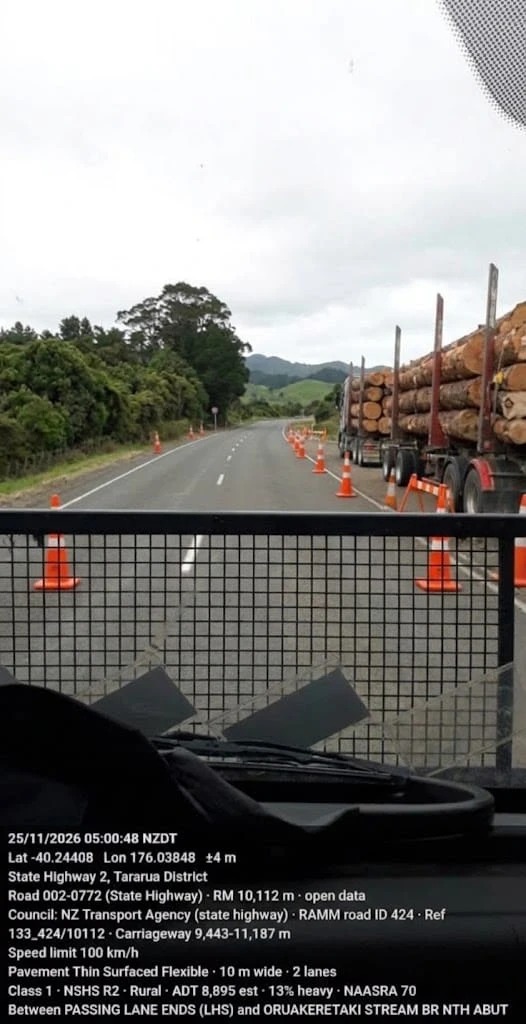
A photo taken with RPcam on State Highway 2, with the road data printed along the bottom
One photo from RPcam

Everything known about that spot, printed in a second

This photo was taken from the cab on State Highway 2. RPcam worked out all of this from the phone's GPS and the joined data, with nothing typed in:

  • When and where25/11/2026 05:00:48 · GPS to ±4 m
  • RoadState Highway 2, Tararua District · road 002-0772
  • RM position10,112 m
  • Who looks after itNZ Transport Agency · RAMM road ID 424
  • Speed limit100 km/h
  • The road itselfThin surfaced flexible pavement · 10 m wide · 2 lanes
  • TrafficAbout 8,895 vehicles a day · 13% heavy
  • BetweenPassing lane ends (LHS) and Oruakeretaki Stream bridge, north abutment

The same lookup is what tells a marking truck which road it is on, how far along, and what should be painted there.

Next: bring it onto the truck

Line marking needs two more things: one program that pulls it all together, and sensors on the truck feeding it. Everything comes into one record of the job.

  • Cameras
  • Line width
  • Humidity
  • Moisture
  • Road temperature
  • Paint film thickness (microns)
  • Pump strokes
  • Speed
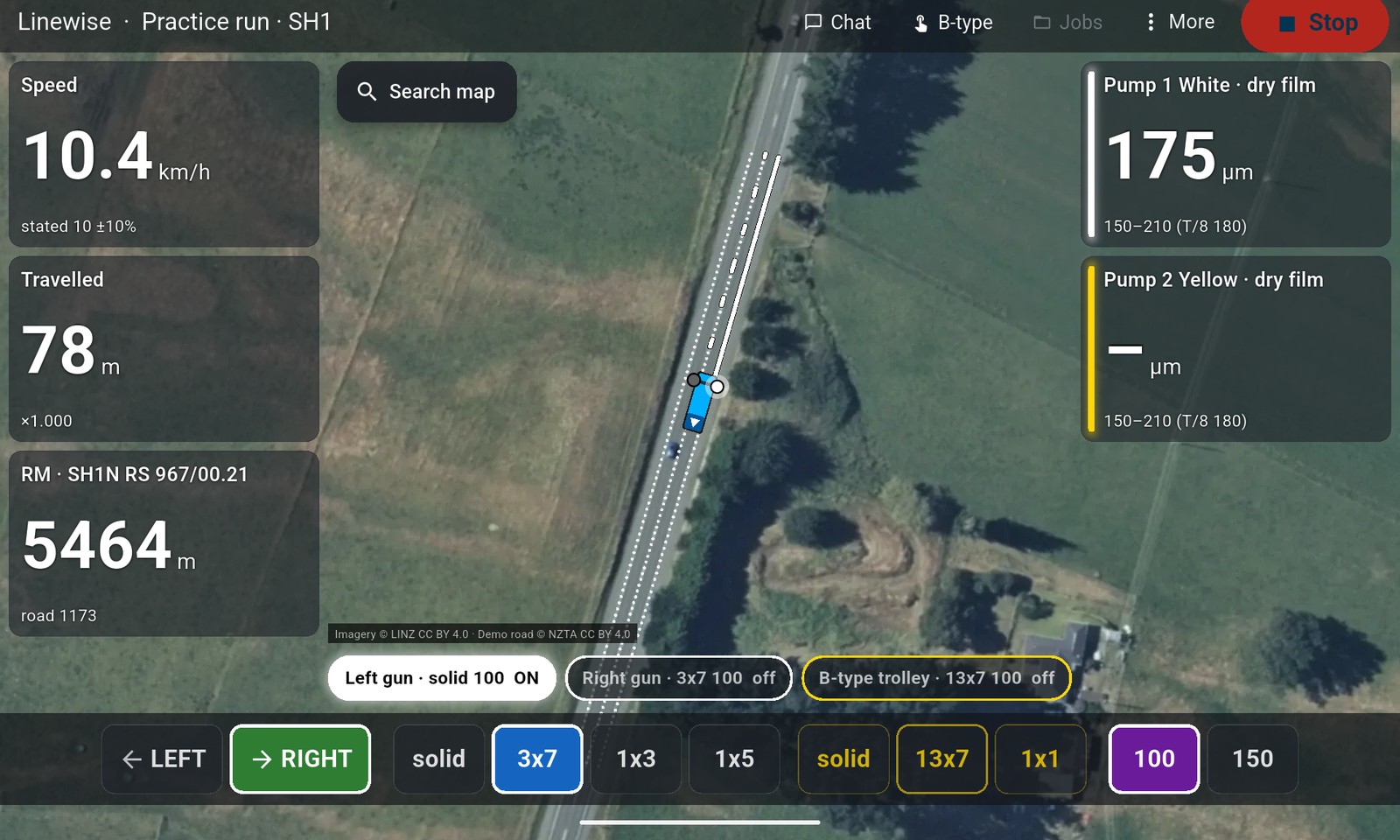
The Linewise truck computer screen: live speed, distance, road and paint film checks on a map
Truck tablet app

Truck computer

Runs in the truck cab. A map shows the job, and one tap sets each gun's pattern. It tracks speed, distance and road position, and warns the moment film thickness or speed drifts off spec.

  • Patterns: solid, 1x1, 1x3, 1x5, 3x7, 13x7 · 100 / 150 mm
  • Live dry-film check against T/8 band
  • Map job plans (KML, KMZ, GeoJSON)
  • Job sheet and spreadsheet export · crew chat
Working · practice runs on tablet
The data RPcam prints on a photo: date, GPS, road, RM, council, speed limit and more
Working example

RPcam

A camera that shows the data working. Every photo is printed with the date, time, GPS position and street address, plus the road, RM, council and speed limit for that exact spot.

  • Android app, or use it in a browser
  • Road data: NZTA and LINZ open data (CC BY 4.0)
Working · try it now Open RPcam

Road data: NZ Transport Agency and LINZ open data (CC BY 4.0), with reference points from Mobile Road. RM positions are approximate; check against Mobile Road or RAMM when it matters.

Hardware

Prototypes

Designed in CAD and tested as 3D prints before any metal is cut. Every status below is honest about where the part is up to.

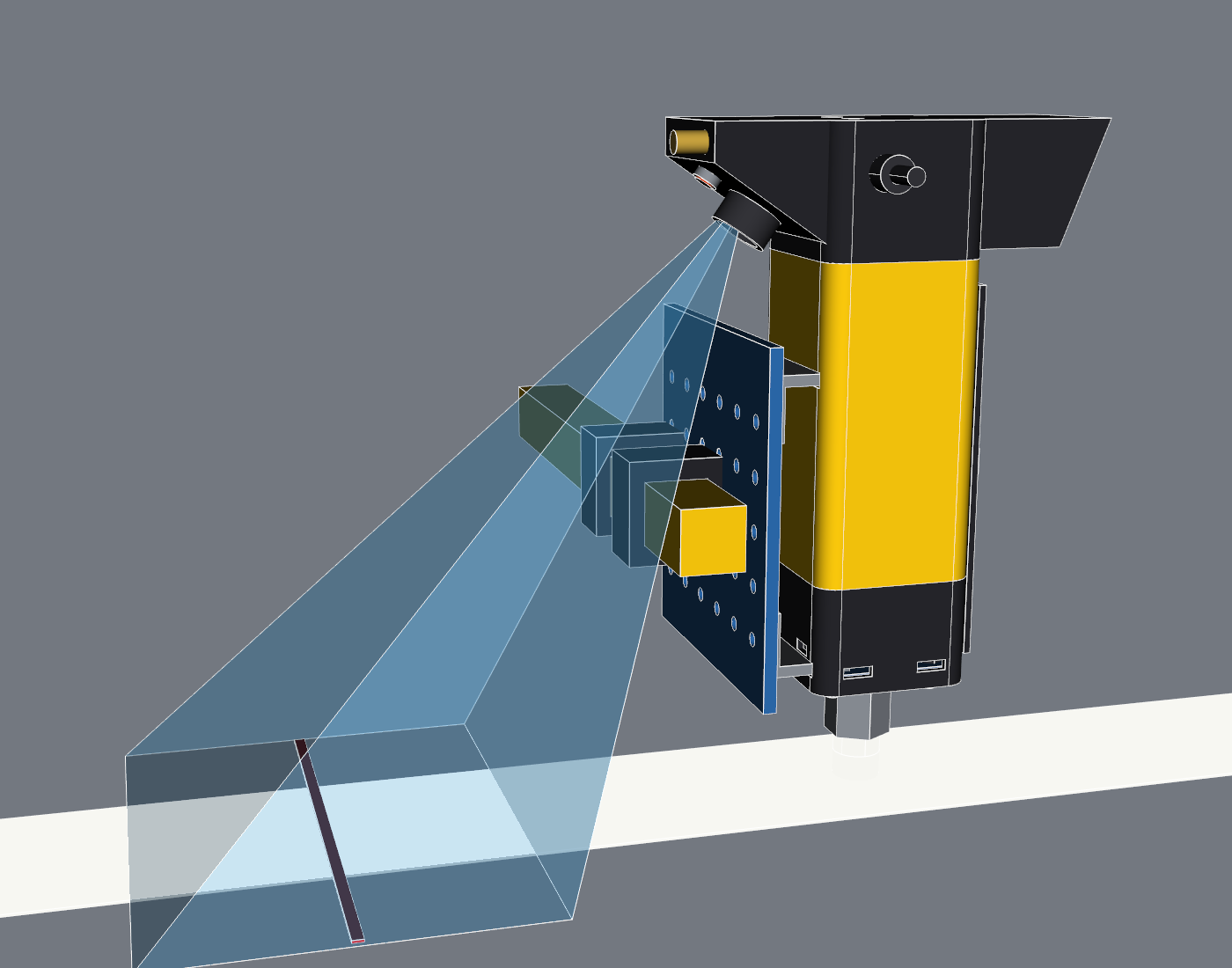
Bruv Pod Single with a scanner: a scanner in the top cap reads the freshly painted line behind the gun to measure its width
Paint · Automation

The Bruv Pod that scans its own line

Nobody has to measure anything. A scanner in the back of the top cap reads the new line just behind the gun, works out its exact width, and the driver's tablet sounds an alert the moment it drifts.

Width is the missing number. With paint flow and speed, it gives the true film thickness for every metre, with no wet-film sensor.

  • Scans every metre: its own laser line, so day, night and shadow read the same
  • Film thickness = flow ÷ (speed × scanned width)
  • Lens hood and air blast keep paint mist off the glass
  • Says so when it can't see, instead of guessing
  • Front camera watches the road ahead
In CAD · v1
Twin automatic airless gun in a single housing, yellow and white
Paint

Inside the Bruv Pod Dual

The working parts inside the pod: yellow and white guns in one cage, each opened by its own air cylinder. If air is lost, a spring shuts the gun.

  • ISO 6432 20 mm bore cylinders
  • Spring return, fails shut
  • 6061 plate, stainless paint side
Test print · v5
Section drawing of the pinch bead gun
Glass beads

Pinch bead gun

A bead gun with one air line. Air opens it and a spring shuts it by pinching the hose, so there's no seat to wear out on abrasive beads.

  • 18 mm bar stroke
  • 3/4" BSP bead inlet
  • Graco 1-5/16"-20 gun thread
Printing · v2
Exploded view of the rugged tablet case
Cab

Rugged tablet case

A TPU bumper and PETG back for the in-cab tablet. A twist-lock ball key clicks it onto a standard ball arm, so the tablet moves between truck and site in seconds.

  • Twist lock, can't pull out when locked
  • Corner air pockets
  • M8 steel-core ball
Designed · fit test next
Parts

Line-marking parts, priced in NZ dollars

Guns, filters, air valves, pump parts and complete truck units.

Browse parts
Partners and investors

Build it with us

Step one already works. Steps two and three need trucks, roads and people to test on. If that's you, I'd like to talk.

Contractors

Put Linewise on one truck as a pilot. You get the logging and reports now, and help shape the automatic side.

Engineering partners

Machining, vision, motion control, hydraulics. People who can help take prototypes to road-ready parts.

Investors

Funding to build the assist stage onto a working truck and prove it on real roads.

Contact

Get in touch

No forms. Talk to Luke directly.

Tell me which you are after: a trial on your truck, guns or parts, partnering, or investing. I answer every message myself.